
Hydrate Better, Live Stronger
Men's health starts with understanding the power of proper hydration. Learn how water, electrolytes, and smart nutrition fuel your body, boost performance, and support long-term vitality.
Whether you're an athlete, fitness enthusiast, or simply looking to optimize your daily wellness routine, our editorial team provides science-backed insights and practical strategies tailored for men.

The information on this site is for educational purposes only and does not constitute medical advice. Always consult a qualified healthcare professional before making health decisions.
By The Numbers — Hydration Impact
60%
of adult male body is water — proper balance supports muscle function and recovery
3L+
recommended daily water intake for active men to maintain peak performance
2%
dehydration level triggers measurable drops in strength and cognitive function
24hrs
electrolyte replenishment window after intense exercise for optimal recovery
Why Water is Your Secret Weapon
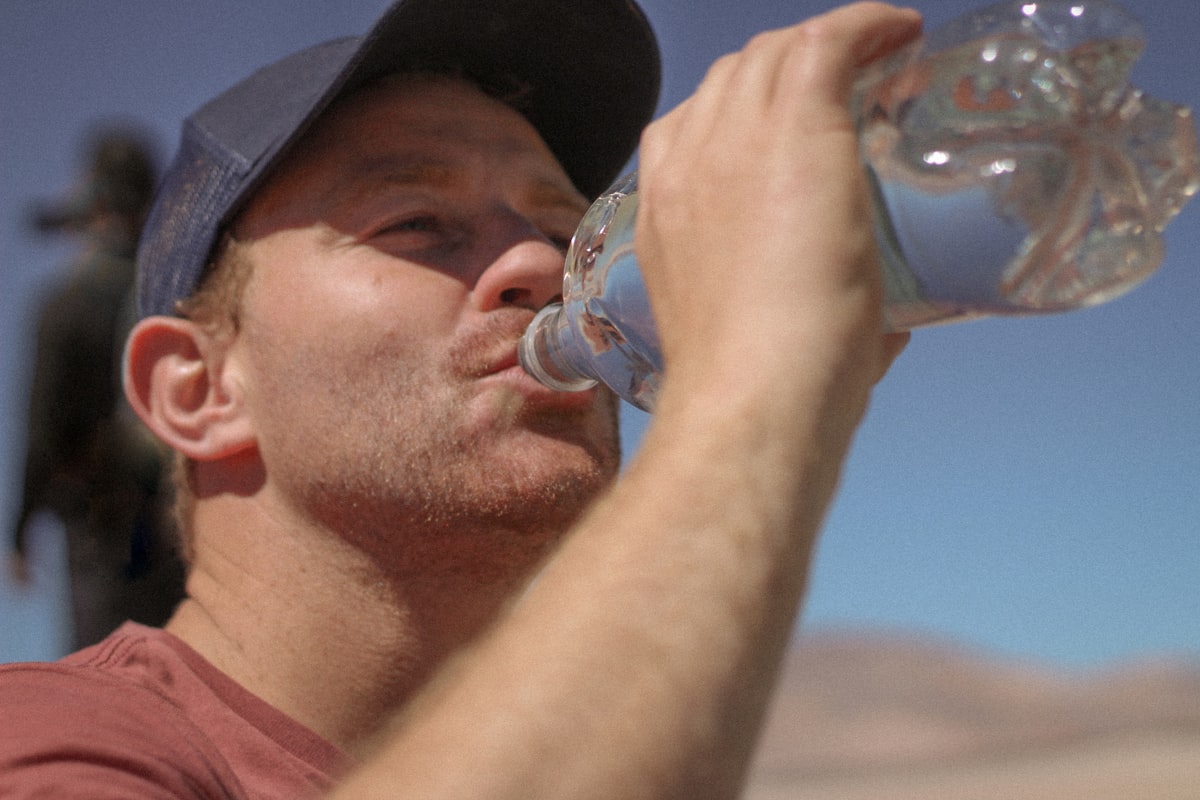
Water isn't just a thirst quencher — it's the foundation of every physiological process that keeps you performing at your best. From nutrient transport to temperature regulation, hydration directly impacts your strength, endurance, and mental clarity.
Men who understand and optimize their hydration patterns report better workout recovery, improved focus during the day, and sustained energy levels. The key is consistency: spreading intake throughout the day rather than chugging large amounts at once ensures steady cellular hydration.
- Muscle Performance: Hydrated muscles contract more efficiently, reducing fatigue and improving endurance.
- Nutrient Delivery: Water transports vitamins, minerals, and amino acids to cells that need them most.
- Cognitive Function: Even mild dehydration impairs focus, decision-making, and reaction time.
- Recovery Acceleration: Proper hydration with electrolytes speeds up post-workout muscle repair.
Essential Nutrients for Male Athletes
Electrolytes (Sodium, Potassium, Magnesium)
These minerals regulate fluid balance, muscle contractions, and nerve signaling. During sweating, electrolytes are lost — replenishing them prevents cramping and maintains hydration at a cellular level.
Found in: coconut water, sports drinks, leafy greens, bananas, nuts.
Protein — Muscle's Building Block
Male athletes require adequate protein to repair and build muscle tissue after training. Protein also supports amino acid uptake when paired with proper hydration, maximizing recovery efficiency.
Found in: chicken, fish, eggs, Greek yogurt, legumes, protein powder.
Carbohydrates — Fuel and Hydration
Carbs not only fuel workouts but enhance water absorption in the gut. The glucose-sodium co-transport mechanism means eating carbs with electrolyte-rich fluids improves overall hydration efficiency.
Found in: oats, rice, sweet potatoes, fruit, whole grain bread.
B-Vitamins — Energy Conversion
B vitamins (B6, B12, folate) are essential for converting food into usable energy and supporting red blood cell formation — critical for oxygen transport and endurance performance.
Found in: beef, poultry, fish, eggs, fortified cereals, mushrooms.
Antioxidants — Inflammation Control
Intense training creates oxidative stress. Antioxidants from whole foods help reduce inflammation and support faster recovery, especially when combined with consistent hydration.
Found in: berries, spinach, kale, dark chocolate, green tea, turmeric.
Healthy Fats — Hormone Support
Omega-3 and monounsaturated fats support hormonal balance, joint health, and reduce exercise-induced inflammation. They also enhance absorption of fat-soluble vitamins.
Found in: salmon, avocado, olive oil, almonds, chia seeds, walnuts.
Your 30-Day Hydration Challenge
Days 1-10: Baseline & Awareness
Track your current water intake without forcing changes. Drink when thirsty, note your energy and focus levels. This creates a baseline to measure improvements against. Keep a simple journal — water intake, workout intensity, sleep quality.
Days 11-20: Progressive Increase
Gradually increase intake to 3 liters daily, spreading it evenly: 500ml upon waking, 250ml every 1-2 hours during the day, 500ml post-workout, and 250ml before bed. Add electrolyte drink once daily post-exercise to maintain mineral balance.
Days 21-30: Optimization & Habit Lock
Fine-tune intake based on activity level, climate, and individual response. Most men find 3-4 liters optimal depending on exercise intensity. Introduce nutrient-dense beverages: green tea, bone broth, or coconut water alongside plain water to diversify micronutrient intake.
Pro Tips for Success
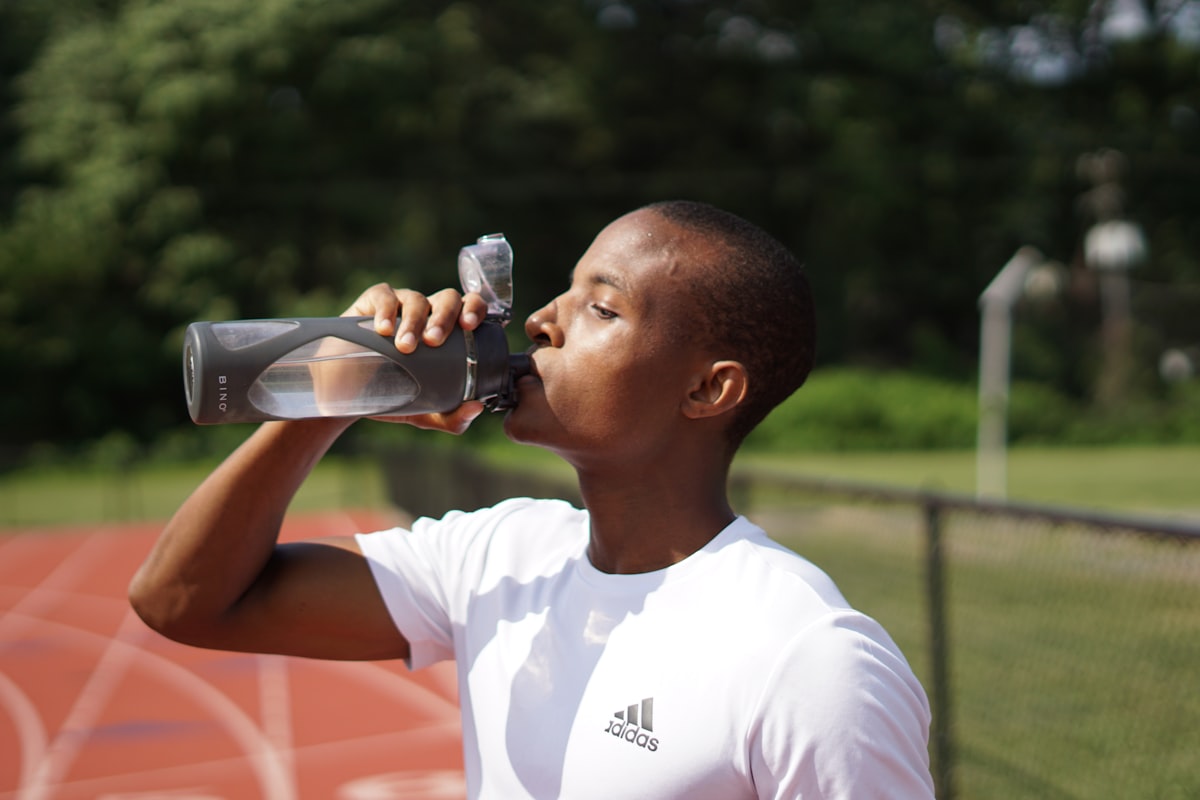
- Use a marked water bottle to visualize progress
- Drink when meals start, not after — improves digestion
- Adjust for caffeine intake (diuretic effect)
- Monitor urine color — pale yellow indicates good hydration
- Train at same time daily for consistency
Start Your Journey to Better Health
Join our community of men who've transformed their wellness through informed hydration and nutrition strategies. Get free resources, exclusive articles, and ongoing support.
We respect your privacy. Unsubscribe anytime.
Common Hydration Questions Answered
How much water should I drink daily?
The standard recommendation for active adult men is 3-4 liters (100-130 ounces) daily, though individual needs vary based on climate, activity level, body weight, and metabolic rate. A practical approach: drink half your body weight in ounces, then add an extra 500ml for every 30 minutes of exercise. Monitor urine color — pale yellow indicates adequate hydration.
Can you drink too much water?
Yes, though overhydration is rare in athletes. Excessive intake (beyond 1 liter per hour for extended periods) can dilute blood sodium, causing hyponatremia. Balance is key: spread intake throughout the day rather than drinking large volumes at once. Listen to your body's thirst signals as a guide, especially during moderate activity.
What's the difference between hydration and electrolytes?
Water hydrates cells, but electrolytes (sodium, potassium, magnesium) regulate fluid balance and enable muscle contractions. You can drink plenty of water and still be electrolyte-deficient. Athletes sweating heavily should pair water intake with electrolyte-rich foods or drinks — coconut water, sports drinks, or naturally electrolyte-rich foods work well.
Does timing of water intake matter?
Yes. Drink water consistently throughout the day rather than large amounts at once for optimal absorption. Pre-exercise: 400-600ml 2-3 hours before, then 200-300ml 15-20 minutes before. During: 150-250ml every 15-20 minutes. Post-exercise: 150% of fluid lost (measured by weight change) over 4-6 hours to fully rehydrate.
Are other beverages as hydrating as water?
Most beverages hydrate, but plain water remains the best baseline. Coffee and tea are diuretics in large amounts but still contribute to hydration. Juice and sugary drinks add calories. Electrolyte drinks excel post-workout. The key: make water your foundation, supplement with other options based on activity and nutrition goals.
How does hydration affect muscle growth?
Hydration directly impacts muscle protein synthesis — the process that builds muscle tissue. Dehydrated muscles are 20% less efficient at contracting and recovering. Water transports amino acids to muscle cells and helps flush metabolic waste. Proper hydration with protein intake post-workout maximizes gains from your training.
Real Results from Real Men
"I never realized how much dehydration was affecting my gym performance until I started tracking water intake seriously. Within two weeks of implementing the hydration guide, my workout endurance improved noticeably, and I recovered faster between sets. My lifts went up by 5significant weight across the board. This is legit science, not marketing hype."
— ★★★★★ 5.0/5 Ricky Sutrianto, Jakarta
"As a busy professional, I struggled with consistent hydration until I read the timing strategies here. Spreading water throughout the day instead of chugging it made a huge difference in my energy levels and focus at work. I also appreciated the electrolyte section — I used to just drink plain water after workouts and didn't understand why I still felt fatigued."
— ★★★★★ 5.0/5 Ahmad Prabowo, Surabaya
"I completed the 30-day hydration challenge and honestly didn't expect much change. But by day 20, my muscle soreness decreased dramatically, my skin looked better, and my mind felt sharper throughout the day. The challenge structure made it easy to follow, and the progress tracking kept me accountable. Best free health experiment I've done."
— ★★★★★ 5.0/5 Budi Hartono, Bandung
"What I loved about this resource is it's not trying to sell you anything. The nutrition science is explained clearly, the hydration calculations make sense, and the tips are practical. I've recommended it to my entire gym crew. Finally, actual evidence-based information about men's health and sports nutrition that doesn't rely on expensive supplements."
— ★★★★★ 5.0/5 Deni Suryanto, Medan
Ready to Optimize Your Hydration?
Explore our comprehensive guides, download free resources, and access detailed nutrition strategies designed specifically for men's health and athletic performance.
Disclaimer: Content is for educational purposes. Consult a qualified healthcare provider before making significant nutrition or hydration changes.