
Stay Hydrated, Stay Strong — Men's Health Revolution
Discover the science-backed fundamentals of hydration and nutrition designed specifically for men who want to optimize their energy, strength, and overall well-being. Learn how proper fluid intake and strategic nutrient balance can transform your performance.
The information on this site is for educational purposes only and does not constitute medical advice. Always consult a qualified healthcare professional before making health decisions.
Hydration Impact By The Numbers
Understanding the measurable benefits of proper hydration helps you appreciate why consistent fluid intake matters for your health and performance.
of body composition
Water comprises roughly three-quarters of your body mass, affecting every cellular function.
performance decline
Even mild dehydration (2-3% fluid loss) can reduce athletic performance and cognitive function.
optimal hydration window
Drinking water strategically before, during, and after activity maximizes absorption and utilization.
metabolic boost potential
Proper hydration supports metabolic efficiency, nutrient transport, and temperature regulation.
Why Water is Your Secret Weapon
For men focused on fitness, career performance, and long-term health, water intake is non-negotiable. Every system in your body—from muscle recovery to cognitive clarity—depends on adequate hydration.
Unlike supplements or complicated nutrition plans, water is the foundation. It regulates body temperature, lubricates joints, aids digestion, and facilitates nutrient absorption. Most men underestimate how much fluid they need, especially if they exercise regularly or live in warm climates.
When combined with strategic electrolyte balance and macro-nutrient timing, hydration becomes a complete system for optimizing energy, strength endurance, and mental clarity.
- Enhanced Recovery: Water flushes metabolic waste and delivers nutrients to muscle tissue post-workout.
- Mental Performance: Mild dehydration impairs focus and decision-making; consistent intake sharpens cognition.
- Metabolic Support: Proper hydration helps your body efficiently convert food to energy.
- Injury Prevention: Well-hydrated joints and muscles are more resilient during physical activity.

Key Nutrition Pillars for Male Athletes
Hydration is just the starting point. These core nutrition principles work synergistically to maximize your potential.
Hydration Strategy
Drink water consistently throughout the day—not just during workouts. A general guideline is half your body weight in ounces, adjusted for activity level and climate. Monitor urine color: pale yellow indicates good hydration.
Protein Balance
Protein supports muscle repair and recovery. Aim for 0.7–1 gram per pound of body weight daily. Distribute intake across 4–5 meals to maximize muscle protein synthesis throughout the day.
Carbohydrate Timing
Carbs fuel intense training. Consume them strategically around workouts—roughly 30-50 grams within 2 hours post-exercise to replenish glycogen and support recovery.
Healthy Fats
Omega-3 and omega-6 fats support cardiovascular health, hormone production, and joint function. Include sources like fatty fish, nuts, seeds, and olive oil in your daily diet.
Micronutrient Coverage
Vitamins and minerals regulate energy metabolism, bone health, and immune function. A varied diet with colorful vegetables, fruits, and whole grains ensures adequate micronutrient intake.
Electrolyte Management
Sodium, potassium, and magnesium support muscle function and fluid balance. During intense or prolonged exercise, consider electrolyte-enhanced beverages to maintain performance and recovery.
Your 7-Day Hydration Optimization Plan
Follow this structured weekly approach to establish hydration and nutrition habits that stick.
Days 1-2: Establish Baseline
Track your current water intake for two days without changing habits. Note your energy levels, workout performance, and how you feel. This baseline helps you measure progress and understand your personal needs.
Days 3-4: Increase Hydration Gradually
Add 20% more water to your daily intake. Spread it evenly throughout the day—drink 8 ounces upon waking, with each meal, and before bed. Your body adapts better to gradual increases than sudden changes.
Days 5-6: Optimize Workout Hydration
Drink 16-20 ounces of water 2-3 hours before exercise, 8 ounces 15-20 minutes before starting, and 8 ounces every 15-20 minutes during activity. Post-workout, drink 16-24 ounces for every pound of body weight lost.
Day 7: Assess & Adjust
Evaluate how you feel after a full week. Compare energy, mental clarity, workout performance, and recovery against your baseline. Adjust total intake based on results—more if you feel sluggish, less if you're over-hydrating and feel bloated.
Common Hydration & Nutrition Questions
Find answers to the questions our community asks most often about fluid intake and male-focused nutrition.
How much water should I drink daily?
A common guideline is to drink half your body weight in ounces. For a 180-pound man, that's roughly 90 ounces daily. However, this varies based on activity level, climate, diet, and individual metabolism. Monitor your urine color (pale yellow is ideal) and adjust accordingly.
Can I drink too much water?
Overhydration is rare but possible, especially if you drink excessive amounts without adequate sodium or during prolonged endurance events. Symptoms include nausea, confusion, and weakness. For most daily scenarios, consistent sipping throughout the day is safe.
Does coffee or tea count toward my water intake?
Yes, they contribute to total fluid intake. While caffeine has a mild diuretic effect, the fluid content still supports hydration. Water remains the primary source, but a cup of coffee or tea counts as part of your daily total.
What's the best hydration strategy for gym sessions?
Pre-hydrate 2-3 hours before with 16-20 ounces, then sip 8 ounces 15-20 minutes before starting. During exercise, drink 8 ounces every 15-20 minutes if working out longer than 60 minutes. Post-workout, rehydrate with 16-24 ounces per pound lost.
How do electrolytes fit into hydration?
Electrolytes (sodium, potassium, magnesium) help your body retain water and support muscle function. During intense or prolonged exercise, especially in heat, electrolyte-enhanced drinks improve performance and recovery. For daily hydration, a balanced diet supplies sufficient electrolytes.
Does hydration affect energy and mental clarity?
Absolutely. Even 2% dehydration reduces cognitive function, focus, and mood. Proper hydration enhances energy production at the cellular level, improves oxygen transport, and supports neurotransmitter synthesis—all critical for mental performance.
Real Men, Real Results
Learn how our community members have optimized hydration and nutrition to achieve their goals.
"I was struggling with afternoon energy crashes and poor gym recovery. After following the 7-day plan and increasing my water intake intentionally, my endurance improved within two weeks. My trainer noticed better muscle engagement too. The hydration strategy alone made a real difference in my performance."
5.0/5 — Marcus, Jakarta
"As someone who travels for work, staying hydrated and keeping proper nutrition was impossible before. The practical tips and the breakdown of protein, carbs, and hydration timing gave me a system I can actually follow anywhere. My focus at work and strength in the gym both improved significantly."
5.0/5 — Rudi, Surabaya
"I didn't realize how dehydrated I was until I started tracking it deliberately. After a week of consistent hydration, my mental clarity improved, I recovered faster from workouts, and my mood was noticeably better. Simple but powerful advice that actually works if you stick with it."
5.0/5 — Arjun, Bandung
Get Your Personalized Nutrition Guide
Ready to optimize your hydration and nutrition strategy? Explore our detailed guides and connect with our editorial team for personalized insights tailored to your fitness and health goals.
More Articles & Resources
Explore our complete library of nutrition, fitness, and health content for men.
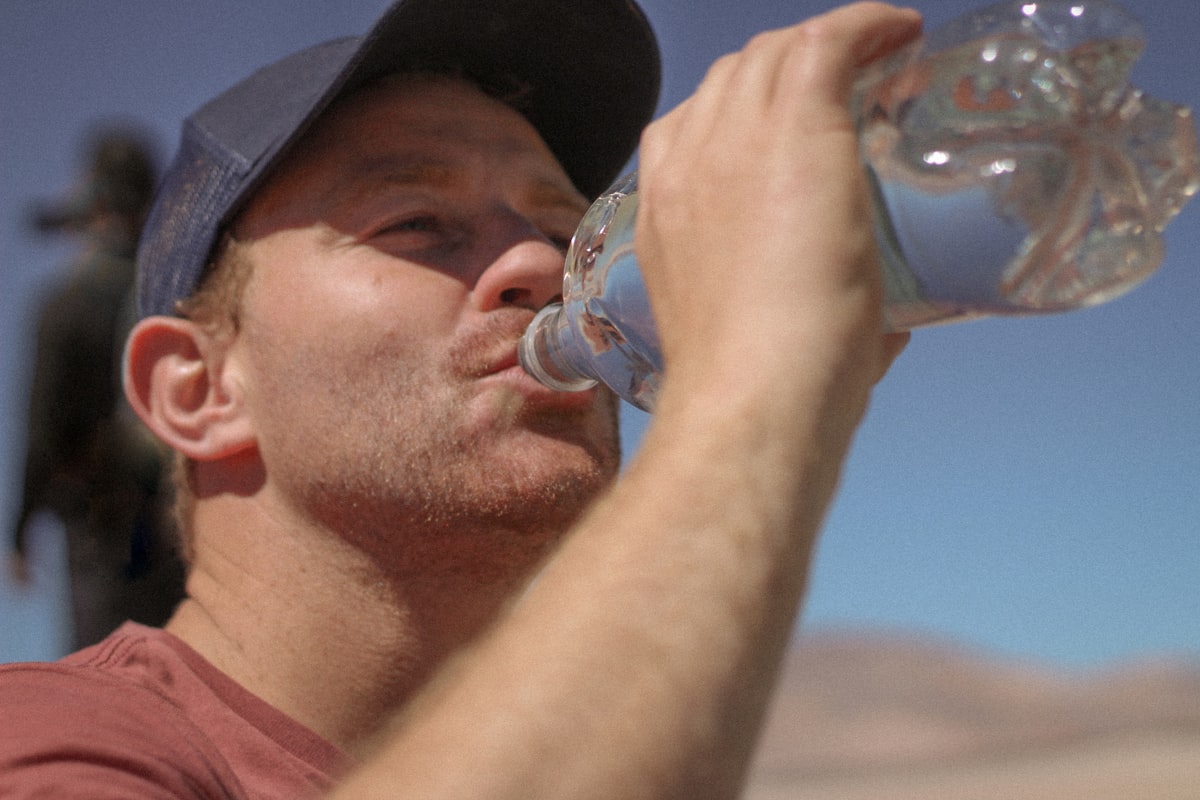
Advanced Hydration Techniques
Go beyond basic water intake and learn advanced strategies for optimizing fluid balance during different types of training.
Learn More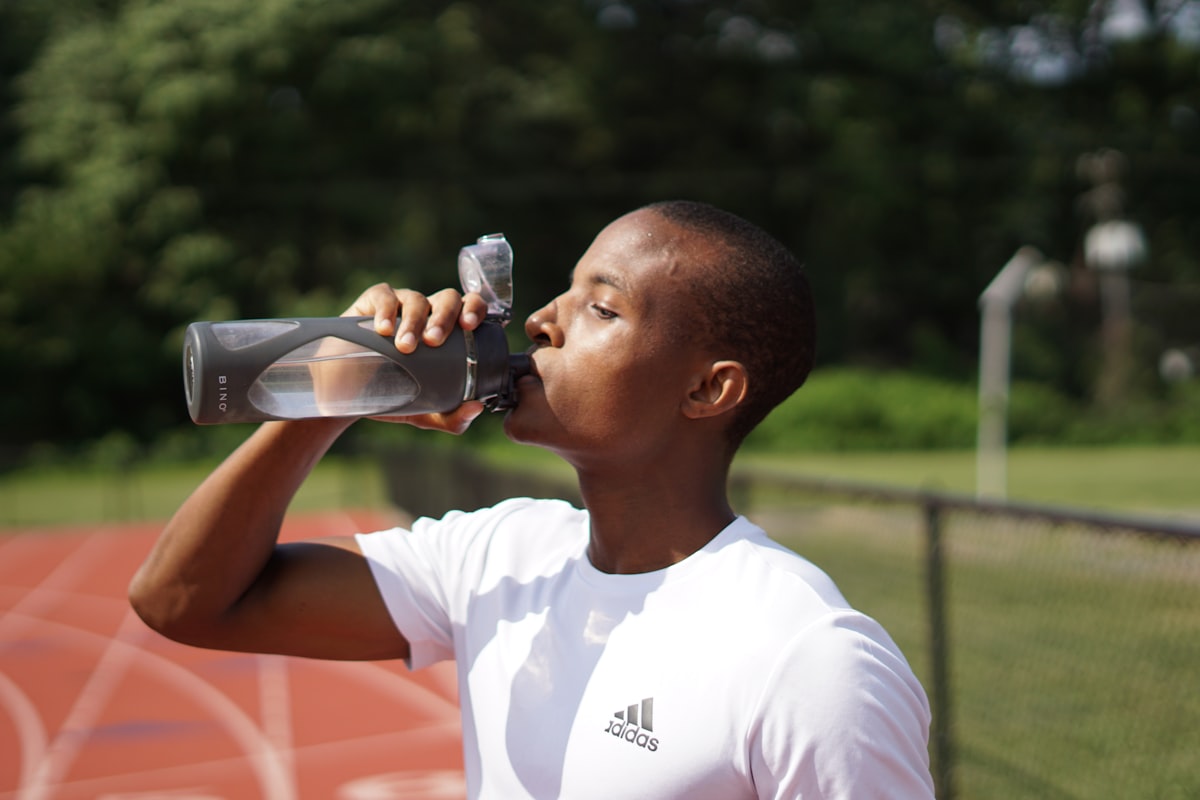
Protein for Muscle Development
Discover how to strategically time and distribute protein intake for optimal muscle growth and recovery throughout your week.
Learn More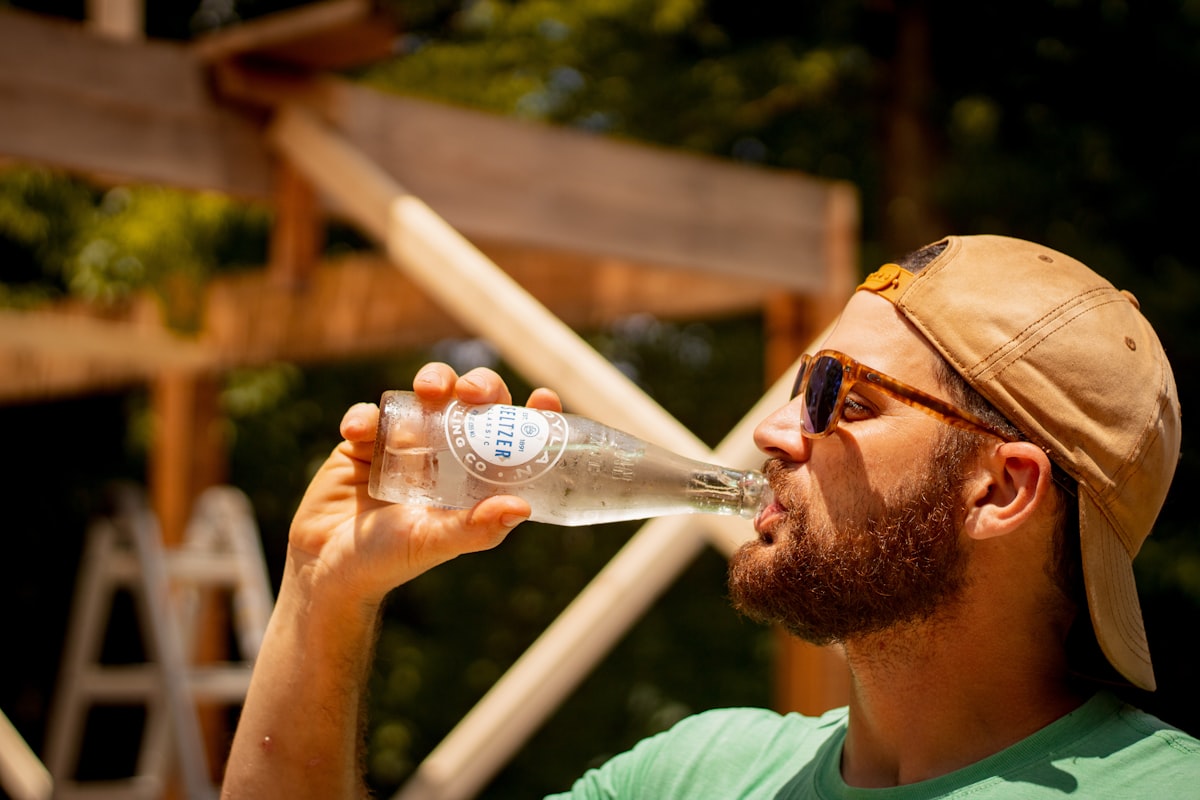
Electrolyte Balance & Performance
Understand sodium, potassium, and magnesium's role in athletic performance and learn how to maintain optimal mineral balance.
Learn MoreWhat Our Readers Say
Join thousands of men who've transformed their nutrition and fitness journey with us.
"The protein guide helped me finally understand how much I actually need. My gains improved significantly within 3 months. Highly recommend!"
James Mitchell
Fitness Coach
"Clear, science-backed information without the marketing hype. This site respects your intelligence and delivers real results."
Robert Chen
Software Engineer
"The mineral balance article changed how I approach supplementation. No more guesswork, just solid nutritional science for men."
Michael Torres
Personal Trainer
Frequently Asked Questions
Find answers to common questions about nutrition and men's health.